October 16, 2026
Choosing the right roofing material for a home is a crucial decision that affects both the aesthetic appeal and long-term functionality of a property. Homeowners facing a roof replacement or planning new construction must weigh several key factors, including upfront expenses, ongoing maintenance, environmental sustainability, and regional weather challenges. Both asphalt shingles and metal roofing systems present distinct advantages and potential drawbacks.
Comparing Initial Expenses and Long-Term Financial Value
When evaluating roofing materials, the initial expense remains one of the most prominent considerations for homeowners. Asphalt shingles are widely recognized for their low upfront cost, making them an accessible option for those working within strict immediate budgets. The material costs and installation labor associated with shingle roofs are generally lower than those for metal alternatives. According to The Roofing Brief, asphalt shingles cover roughly 73% to 81% of the U.S. residential roofing market. This widespread adoption creates high material availability and competitive pricing across the industry.
In contrast, metal roofing represents a higher initial investment that can yield significant long-term financial returns. The raw materials, specialized fasteners, and complex installation techniques required for metal panels drive up upfront costs compared to traditional asphalt products. Despite this higher price tag, metal roofs offer extraordinary longevity, frequently lasting forty to seventy years or more with minimal structural degradation. Over several decades, the need for fewer replacements and lower repair expenditures often offsets the original purchase price. Property owners who plan to remain in their homes for the long term frequently discover that metal roofing provides a superior return on investment, reducing the cumulative cost of home maintenance over time.
Financing options, property values, and insurance costs further influence the overall financial equation. Many financial institutions offer home improvement loans that allow property owners to spread the upfront expense of premium materials over time. Furthermore, installing a metal roof can positively impact property value and curb appeal, serving as an attractive selling point for prospective buyers seeking low-maintenance home features. Insurance carriers may also offer premium discounts for homes with metal roofing due to its superior impact and wind resistance. Consulting with qualified local roofers allows homeowners to receive accurate project estimates, explore financing avenues, and evaluate how different materials will affect their home value and insurance rates over time.
Evaluating Structural Durability and Weather Resistance
Durability and weather resistance are paramount when selecting a roof designed to protect a structure from harsh environmental elements. Asphalt shingles perform reliably under moderate weather conditions, offering decent protection against rain, light hail, and standard wind speeds. Premium architectural shingles are engineered with reinforced fiberglass matting and advanced adhesives that enhance their resistance to uplift and thermal stress. However, extreme weather conditions, such as severe hail, freezing temperatures, intense ultraviolet radiation, and gale-force winds, can accelerate the degradation of shingle granules. Over time, loss of surface granules exposes the underlying asphalt compound to moisture penetration, leading to cracking, curling, and eventual roof leaks.
Metal roofing stands out for its exceptional structural resilience against severe weather events. Designed to withstand high wind speeds, heavy snow accumulation, torrential rainfall, and severe hail, metal panels provide an unyielding protective barrier for residential properties. Unlike shingle systems, metal roofs do not rot, split, or absorb moisture, which prevents water-related damage and structural weakening. In cold climates, metal roofs easily shed snow and ice, reducing the risk of destructive ice dams forming along the eaves. Furthermore, metal roofing systems carry high fire-resistance ratings, making them an ideal choice for homes located in regions prone to wildfires or hot, dry seasonal conditions.
Analyzing Environmental Impact and Energy Efficiency
Environmental sustainability and energy efficiency are increasingly important considerations for modern homeowners evaluating building materials. Traditional asphalt shingles contribute substantial volume to municipal landfills at the end of their operational lifespan. Because asphalt is a petroleum-derived product, its manufacturing and disposal processes carry a notable carbon footprint. Although shingle recycling programs exist and are expanding in various regions, the majority of removed shingle material is still discarded as waste. Homeowners prioritizing eco-friendly building practices must weigh the environmental costs associated with the frequent removal and disposal cycles inherent to shingle roofing systems.
Metal roofing offers significant environmental advantages due to its high recyclability and long service life. Most metal roofing panels are manufactured using a substantial percentage of recycled steel, aluminum, or copper, reducing the demand for raw resource extraction. At the end of its extended lifespan, a metal roof is 100% recyclable, preventing tons of building waste from entering landfills. Furthermore, the exceptional longevity of metal roofs means fewer natural resources are consumed over time for manufacturing, transporting, and installing replacement roofing materials. This closed-loop life cycle positions metal roofing as a highly sustainable choice for environmentally conscious property owners.
Assessing Aesthetic Appeal and Architectural Style
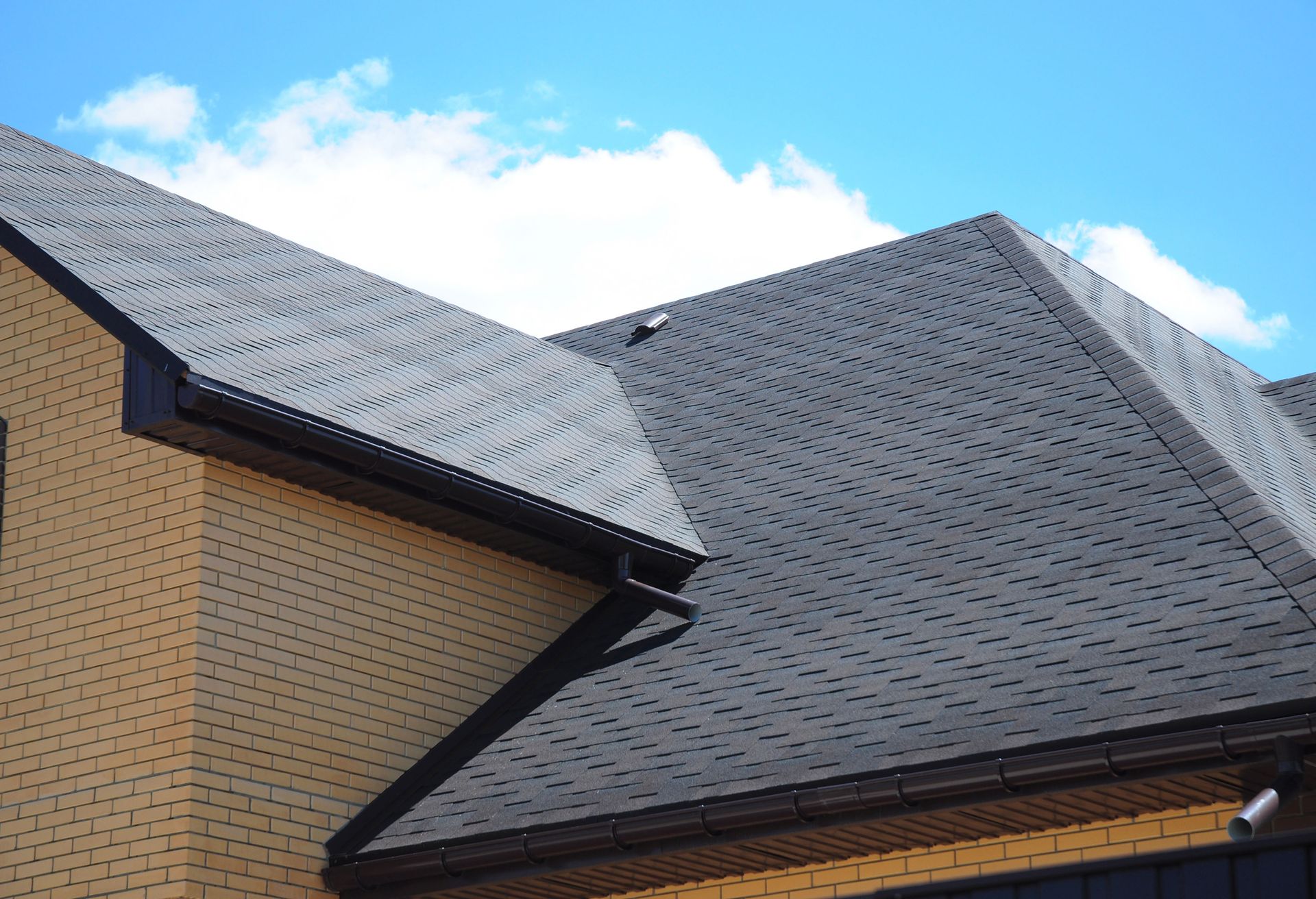
The visual impact of a roof plays a major role in defining a home's overall architectural character and curb appeal. Asphalt shingles remain a classic choice that complements a vast range of residential architectural designs, from traditional Craftsman homes to modern suburban builds. Available in a diverse spectrum of colors, textures, and dimensional profiles, architectural shingles can mimic the look of natural slate or wood shakes at a fraction of the cost. This versatility allows homeowners to select shingle styles that harmonize with exterior siding, brickwork, and trim, creating a cohesive visual appearance that fits comfortably into established neighborhoods.
Metal roofing has evolved significantly beyond industrial corrugated sheets, now offering a wide array of sophisticated profiles suitable for high-end residential applications. Standing seam metal roofs deliver sleek, clean vertical lines that enhance contemporary, modern farmhouse, and transitional architectural designs. Additionally, stamped metal panels can replicate the rich appearance of traditional clay tiles, slate, or wood shingles while delivering the superior durability of metal. With an extensive range of factory-applied color coatings and matte finishes available, homeowners can customize their metal roof to create a bold architectural statement or seamlessly blend with natural surroundings.
Selecting the right aesthetic requires balancing personal style preferences with neighborhood standards and homeowners association guidelines. While metal roofs offer striking modern appeal, certain residential communities may have covenants restricting material choices to maintain a uniform streetscape.
Navigating Installation Process and Maintenance Demands
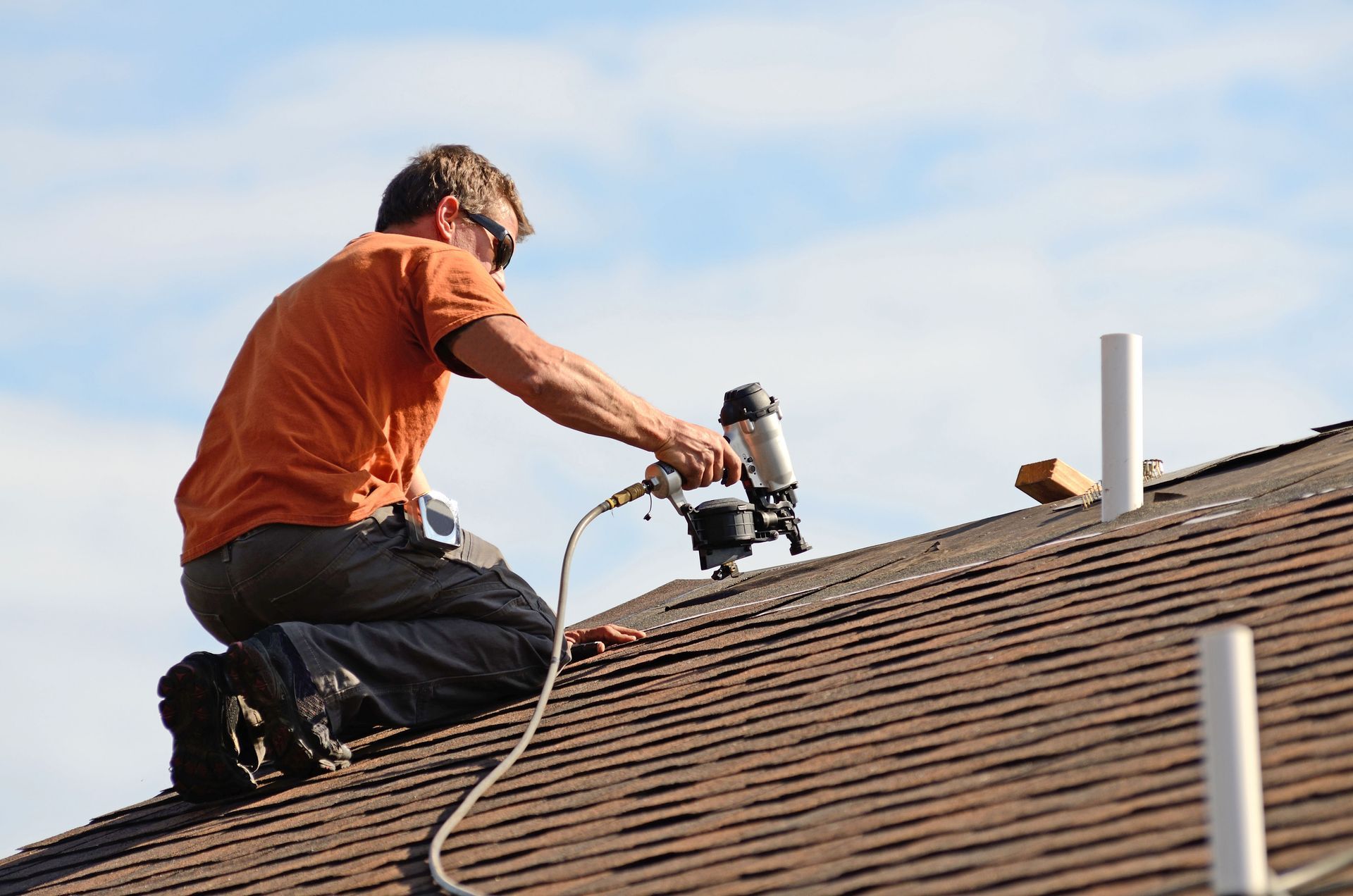
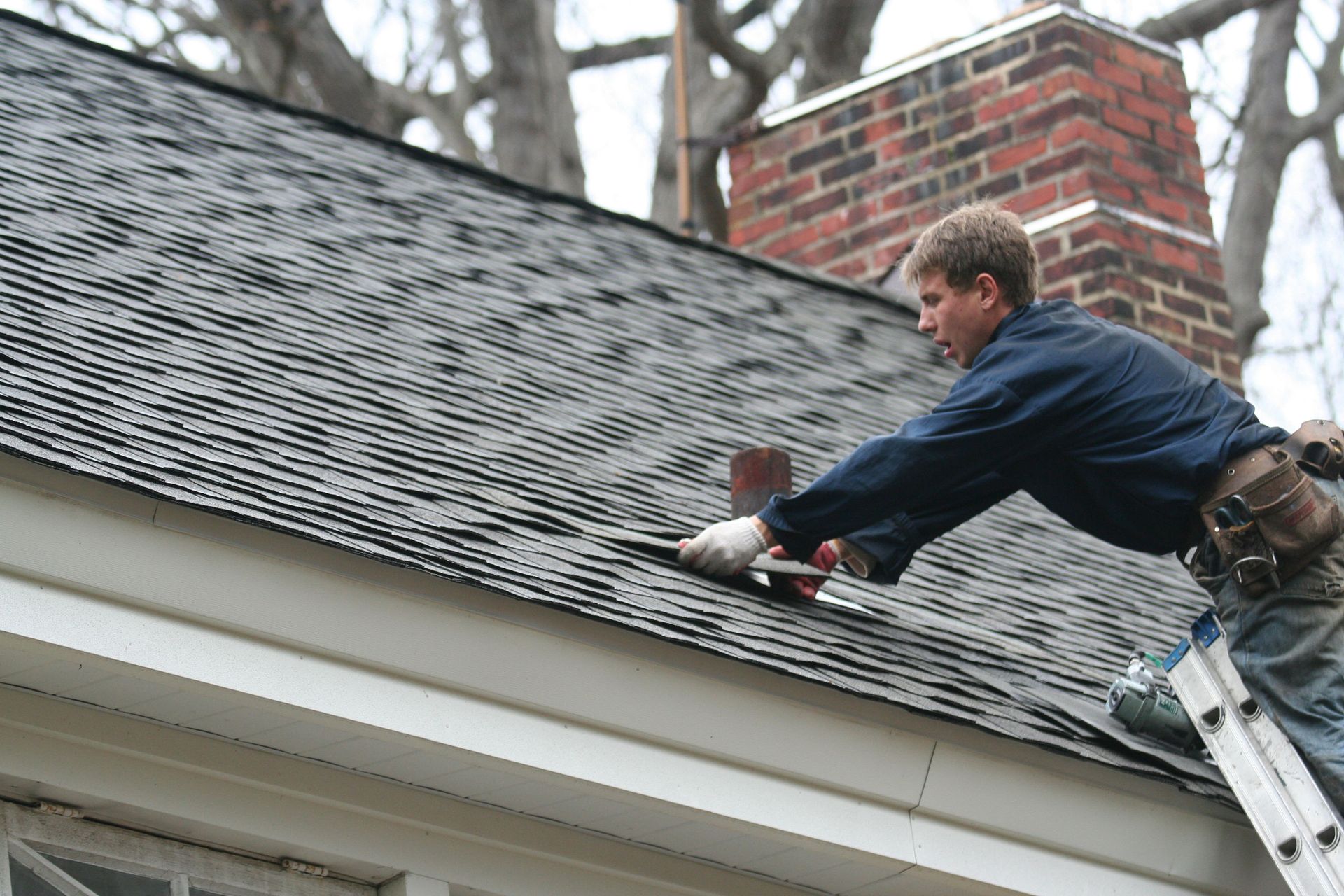
The installation process for roofing materials varies significantly in complexity, labor requirements, and time commitment. Installing asphalt shingles is a straightforward, well-established process that most experienced installation crews can complete efficiently. Shingles are lightweight, easy to cut, and simple to secure using standard roofing nails and underlayment. Because shingle installation is widely practiced across the trade, finding skilled labor is generally effortless, and project execution times are relatively short. This efficiency minimizes disruption to the household during the roof replacement period.
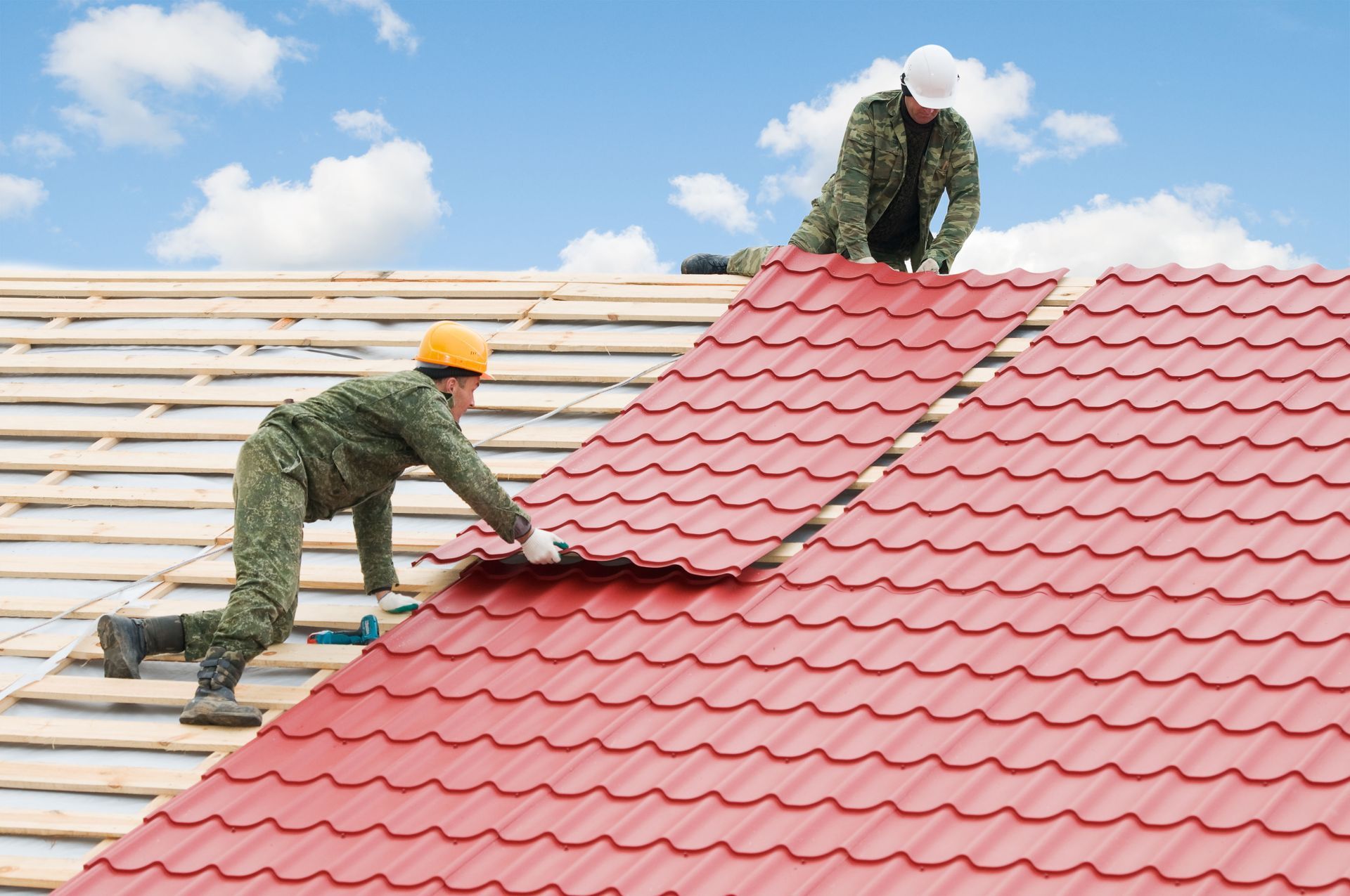
Installing metal roofing is a specialized craft that requires technical expertise, precision engineering, and specialized tools. Metal panels must be accurately
measured, cut, and fastened to accommodate thermal expansion and contraction without warping or buckling. Flashing details around chimneys, valleys, and roof edges demand meticulous craftsmanship to ensure long-term watertight performance. Improper installation of a metal roof can lead to panel alignment issues, loose fasteners, or water intrusion, underscoring the critical importance of hiring experienced installation specialists who understand the unique structural requirements of metal systems.
Carefully weighing upfront expenses against long-term performance benefits ensures that your investment aligns with your broader household financial goals. Consulting with industry professionals provides clarity on material performance, warranty coverage, and localized installation requirements tailored to your specific geographic region. Taking the time to evaluate all functional and aesthetic factors will give you peace of mind, knowing your home remains protected by a high-quality roofing system designed to stand the test of time. For more information about the services that we offer, reach out to our incredible team at BNF Construction LLC today!