October 19, 2026
Choosing a roofing material involves more than comparing appearance and upfront costs. Each material has a different expected lifespan, maintenance needs, and ability to withstand weather conditions. Understanding these differences can help property owners make informed decisions about long-term protection and replacement costs.
Asphalt Shingles
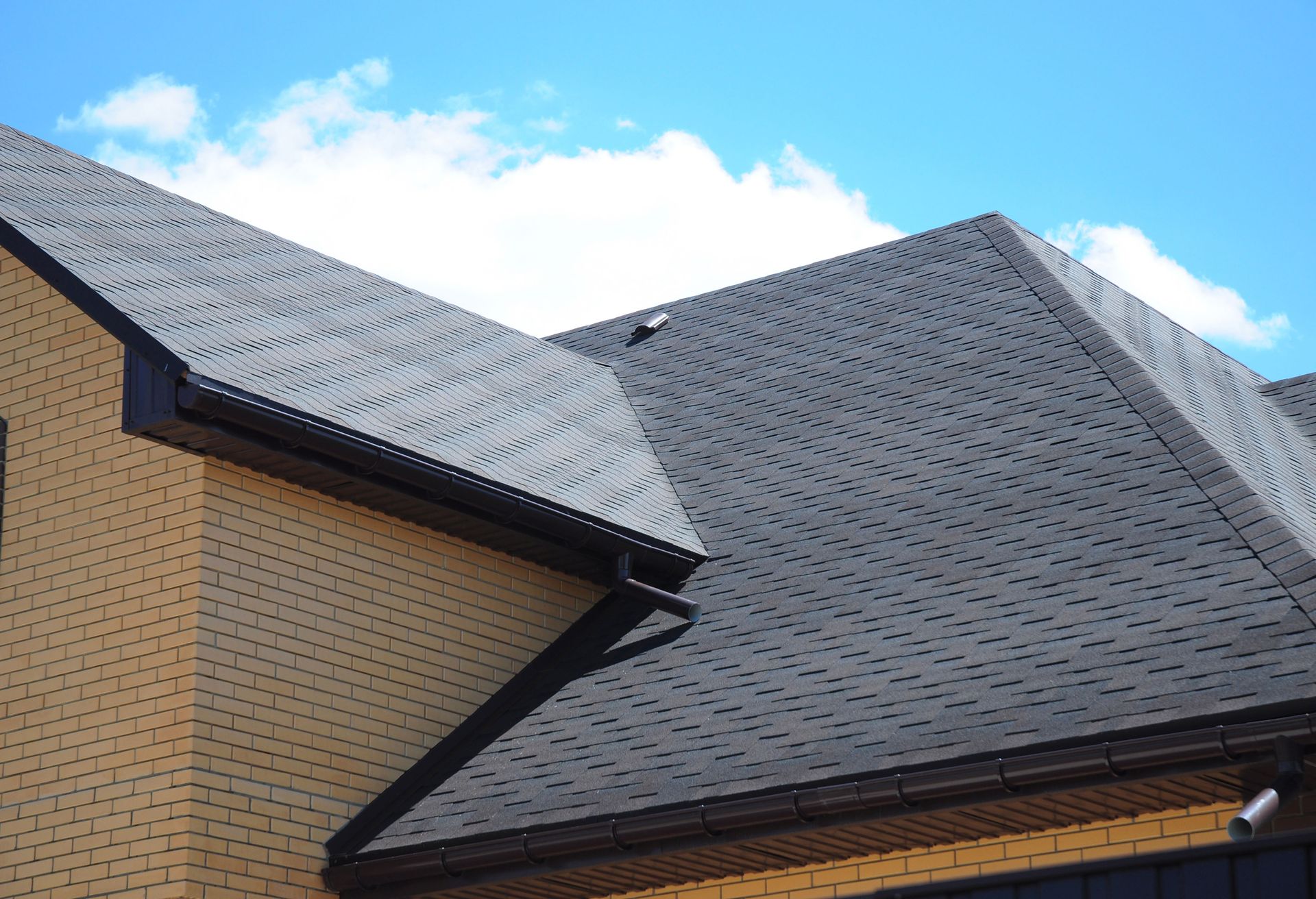
Asphalt shingles are among the most common roofing materials because they offer an affordable balance of appearance, durability, and installation costs. Standard asphalt shingles generally last about 15 to 30 years, although premium products can provide longer service when properly installed and maintained. Their performance can vary based on material quality, climate, ventilation, and exposure to severe weather.
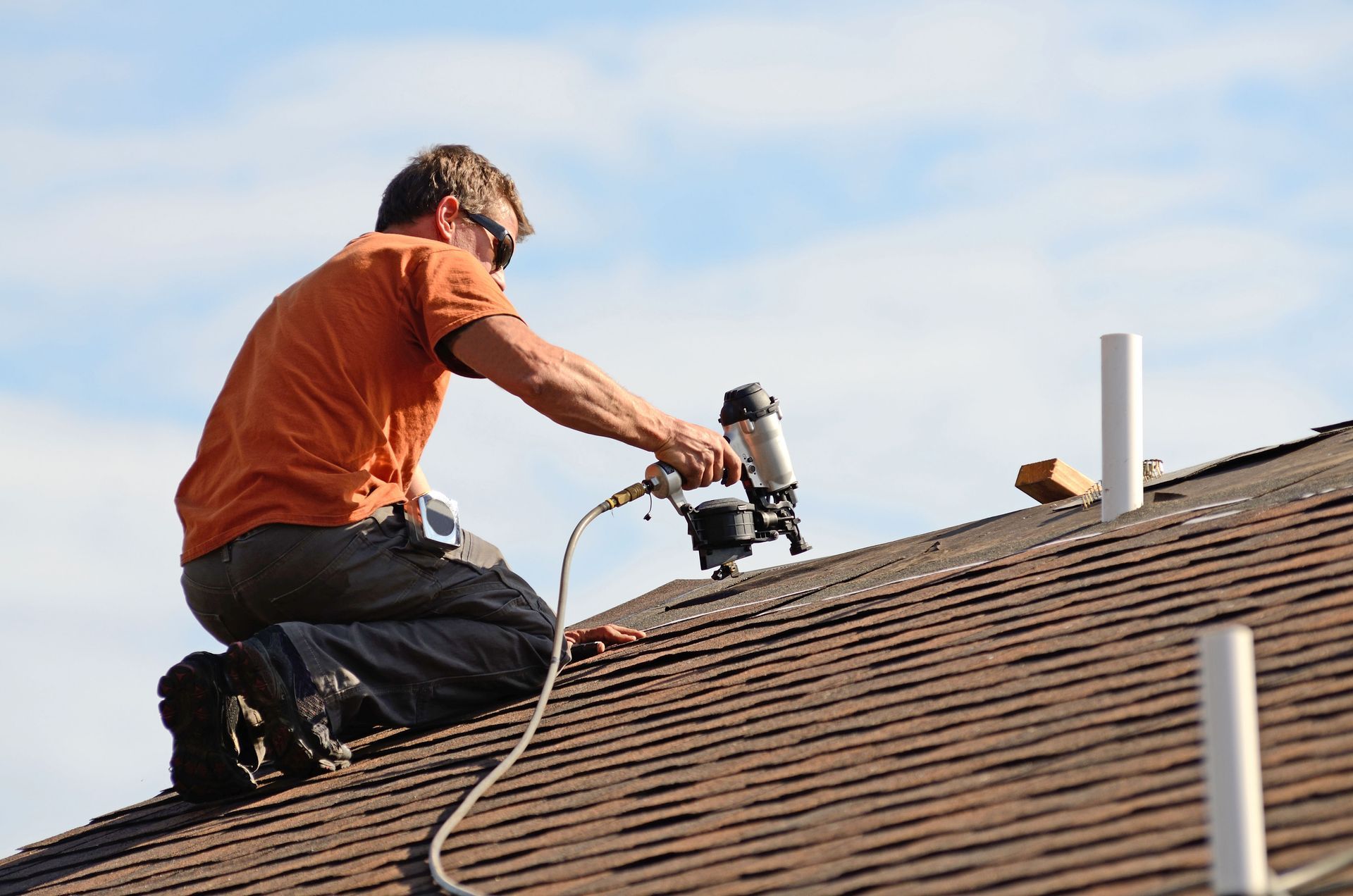
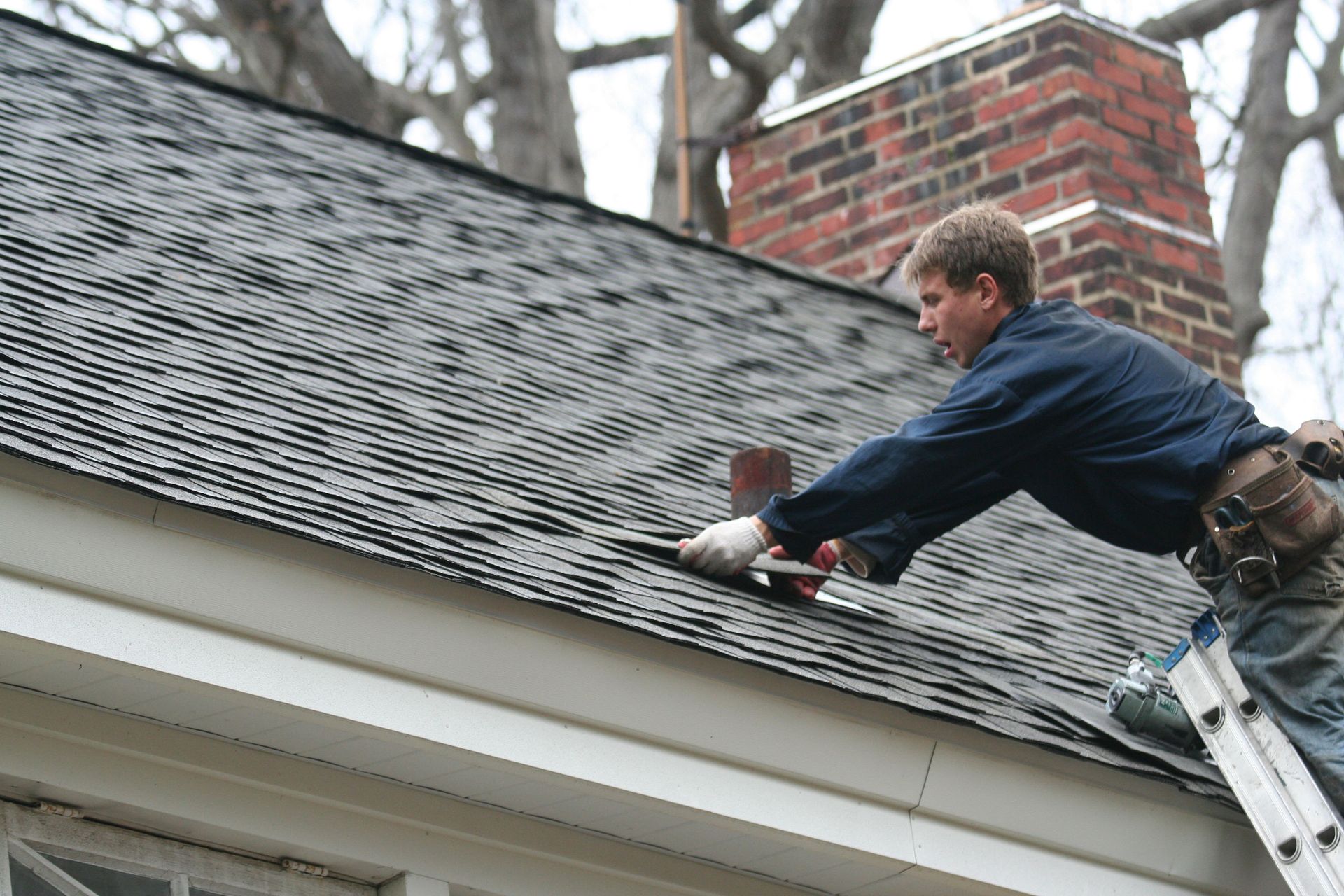
Fiberglass shingles are generally more resistant to moisture and fire than older organic varieties. Modern products can also include improved wind, impact, and algae resistance, giving property owners more options for challenging climates. Climate has a major effect on asphalt shingle longevity. Intense sunlight, high winds, hail, heavy rain, and repeated temperature changes can accelerate deterioration, while moisture can contribute to algae or mold growth. Installation quality also affects how long asphalt shingles remain effective. Improper fastening, inadequate flashing, or poor ventilation can contribute to premature deterioration and water intrusion. Working with an experienced roofer helps ensure the roofing system is installed according to manufacturer specifications and local requirements.
Metal Roofing
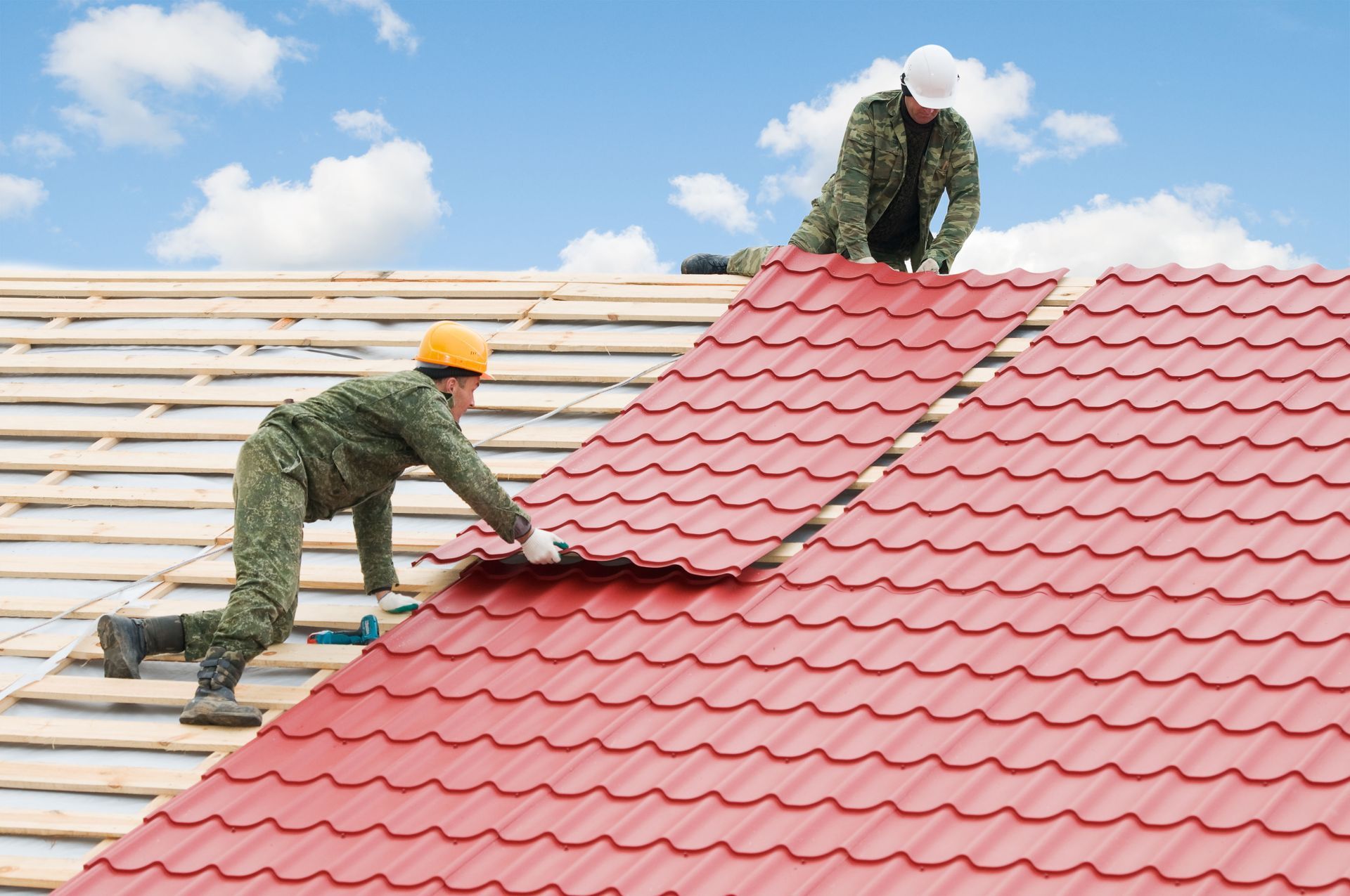
Metal roofing is known for its long service life and resistance to many common forms of roof damage. Steel, aluminum, copper, and zinc are among the materials used for metal roofing, with each offering different levels of durability, corrosion resistance, appearance, and cost. According to This Old House, metal roofing can last up to 70 years.
Steel is strong and can receive protective coatings that help resist corrosion, while aluminum performs particularly well in coastal environments because of its resistance to saltwater exposure. Copper and zinc can last even longer under suitable conditions and develop distinctive finishes as they age. The specific metal, coating, installation quality, and local climate all influence the expected lifespan.
Metal roofing generally requires less maintenance than many other materials, but it still benefits from professional inspections. Loose fasteners, damaged coatings, scratches, accumulated debris, and drainage problems can create opportunities for moisture-related damage. Addressing these concerns early can help preserve the roof's protective qualities for decades.
The initial cost of metal roofing is usually higher than asphalt shingles, but its longer lifespan can make it a valuable long-term investment. Property owners may also benefit from reduced replacement frequency, lower maintenance demands, and improved energy efficiency from reflective finishes. A qualified roofer can compare these factors with the property's budget and expected ownership period.
Wood Shingles and Shakes
Wood shingles and shakes provide a natural appearance that works particularly well with rustic, traditional, and nature-inspired properties. Wood shingles are generally machine-cut and more uniform, while shakes are thicker and have a more textured appearance. Cedar is a common choice because of its natural resistance to decay and insects.
Wood roofing commonly lasts about 20 to 40 years, although climate and maintenance can significantly affect its performance. Wet environments can encourage rot, mold, and fungal growth, while prolonged exposure to moisture can shorten the material's service life. Proper installation and ongoing professional maintenance are especially important for preserving wood roofing.
The organic nature of wood makes this roofing material more maintenance-intensive than some alternatives. Inspections can identify damaged sections, moisture concerns, and signs of deterioration before they spread. Property owners should also consider local weather patterns when determining whether wood roofing is an appropriate long-term choice
.
Clay and Concrete Tiles
Clay and concrete tiles are valued for their durability, distinctive appearance, and ability to withstand many environmental conditions. Clay tiles can last 50 years or longer, while well-maintained concrete tile roofs can also provide several decades of service. Their longevity makes them particularly appealing for property owners seeking a roof that will not require frequent replacement.
Clay tiles are resistant to moisture, insects, and fire, while concrete tiles provide substantial durability at a generally lower cost than some premium roofing materials. Both materials are available in a range of shapes and colors, allowing them to complement different architectural styles. However, their considerable weight means the building must have an appropriate structural system.
Tile roofs can be damaged by severe impacts, even though the overall roofing system is highly durable. Cracked or displaced tiles can allow water to reach the underlying components, making professional inspections important. A roofer familiar with tile systems can evaluate the condition of the roof and identify problems that may not be obvious from ground level.
Slate Roofing
Slate is one of the longest-lasting roofing materials available. Natural slate can remain functional for 75 to more than 100 years when the material is high quality and the roofing system is properly installed and maintained. This exceptional lifespan makes slate attractive for historic properties and high-end construction where long-term durability is a priority.
Slate is naturally resistant to fire, insects, and moisture, but it is also heavy and relatively brittle. Walking on slate can cause breakage, and improper installation can compromise the system's longevity. Because slate installation requires specialized knowledge, property owners should choose a roofer with appropriate experience working with the material.
Although slate has a high upfront cost, its extended service life can offset some of that expense over time. A property owner who plans to remain in a building for decades may find the long replacement interval particularly valuable. However, the structure, installation requirements, and maintenance costs should all be evaluated before selecting slate.
Flat Roofing Materials
Flat and low-slope roofs use different materials than many traditional pitched roofs. Common systems include modified bitumen, built-up roofing, EPDM, PVC, and TPO. Depending on the material and installation quality, many flat roofing systems can last approximately 15 to 30 years.
The lifespan of a flat roof depends heavily on drainage and exposure. Because water cannot move off a low-slope roof as quickly as it does on a steeply pitched roof, standing water can contribute to membrane deterioration and leaks. Proper drainage design and professional inspections are therefore essential components of long-term performance.
Membrane quality also affects durability. Some modern systems offer resistance to ultraviolet exposure, punctures, chemicals, and weather-related deterioration. A professional roofer can assess the existing system and recommend materials that fit the property's use, climate, and expected maintenance requirements.
Comparing Roofing Lifespans
When comparing roofing materials, lifespan should be considered alongside installation cost, maintenance requirements, weather resistance, and structural needs. Asphalt shingles generally provide 15 to 30 years of service, while wood shingles and shakes can last around 20 to 40 years. Metal roofing can reach 40 to 70 years, tile can last 50 years or longer, and slate can potentially remain functional for a century or more. Severe weather, poor installation, inadequate ventilation, drainage problems, moisture exposure, and neglected maintenance can shorten the useful life of almost any roofing material. Conversely, high-quality materials and professional installation can help a roofing system perform closer to its expected lifespan.
Property owners should also consider how long they expect to own the building. A lower-cost material may make sense for someone planning a shorter ownership period, while a longer-lasting system may offer greater value for someone expecting to remain in the property for decades. A professional roofing evaluation can help match the material's expected performance with the property's long-term needs.